
The Estate
Welcome to the heart of the Collio
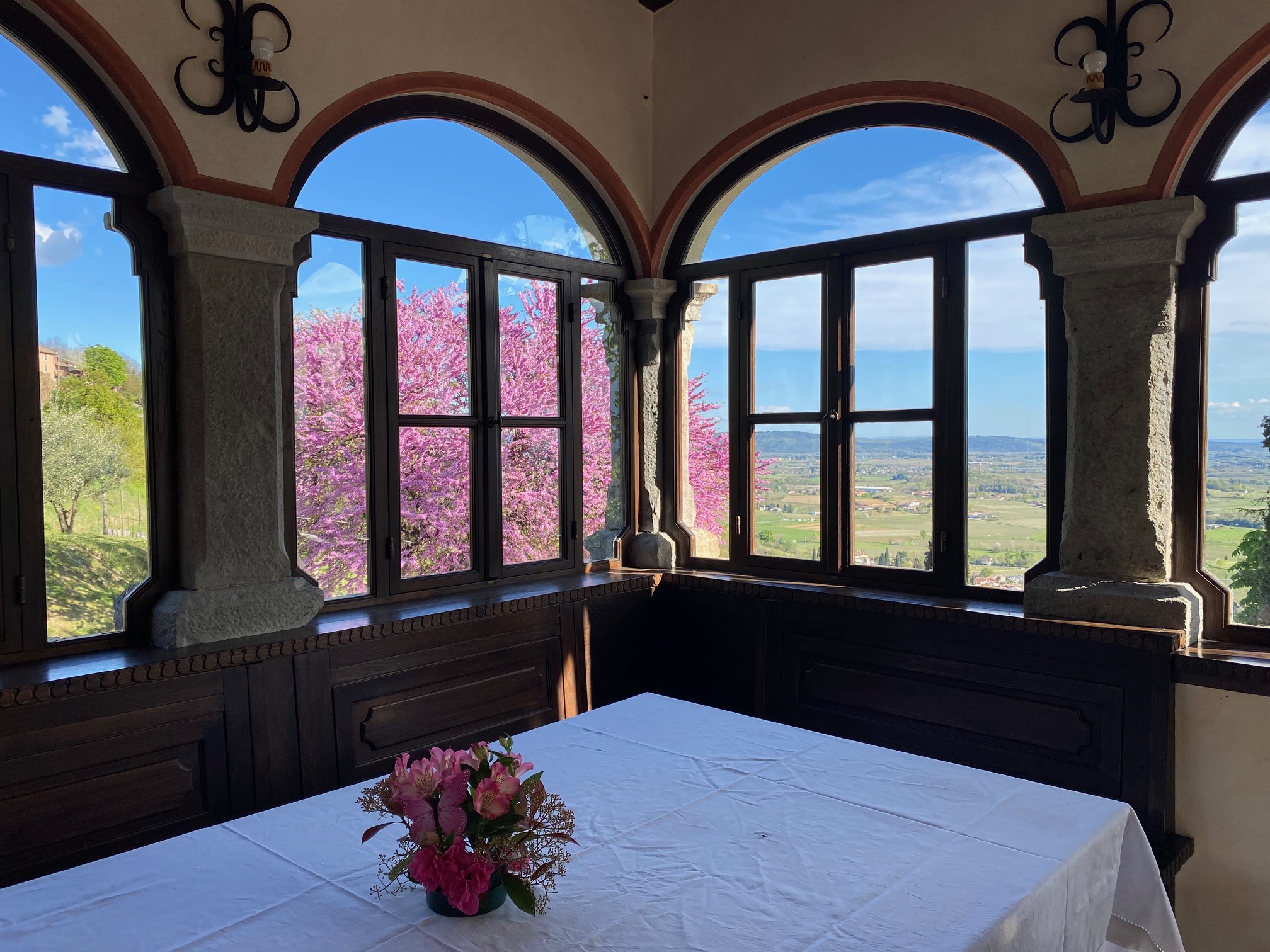
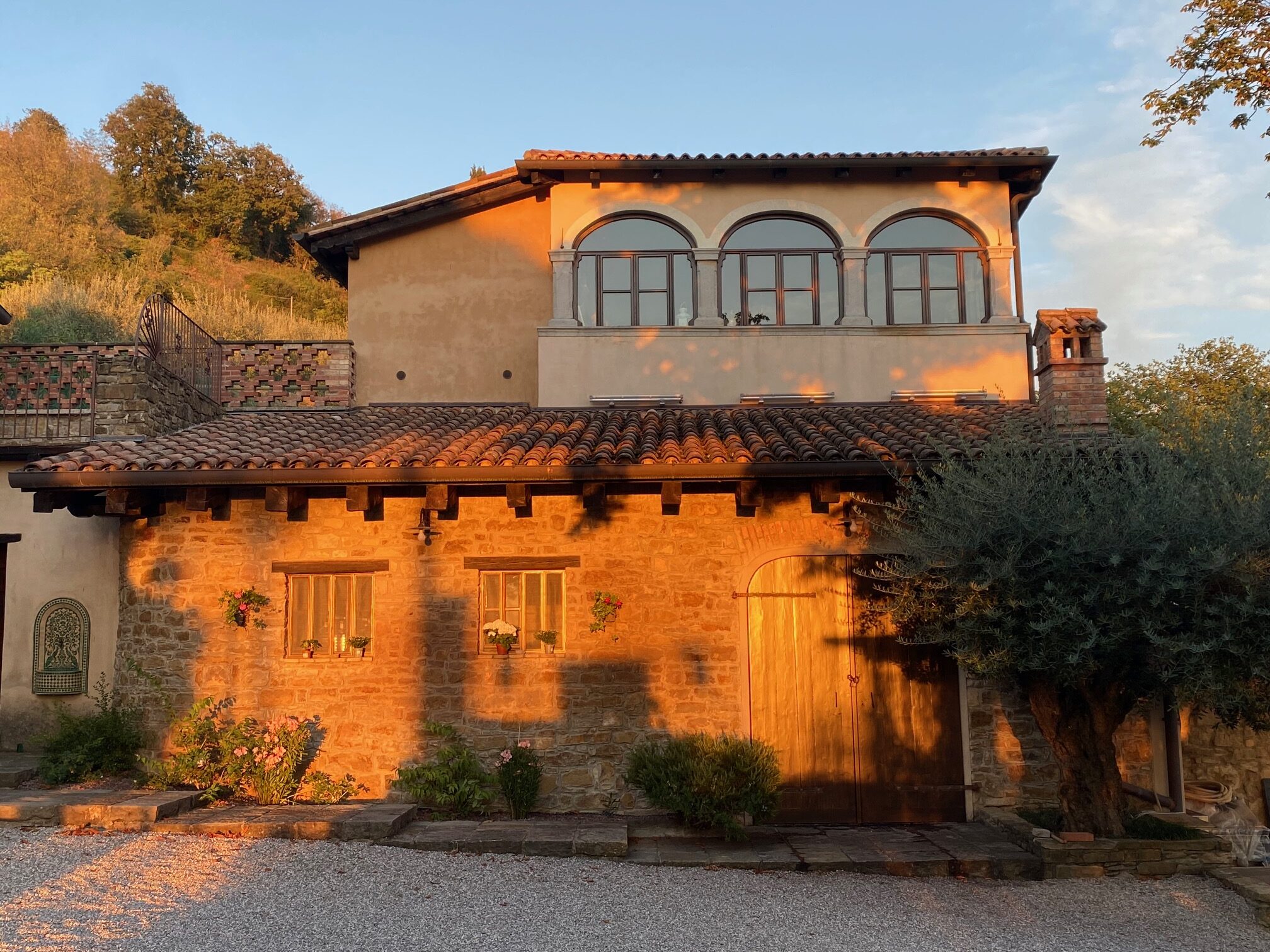
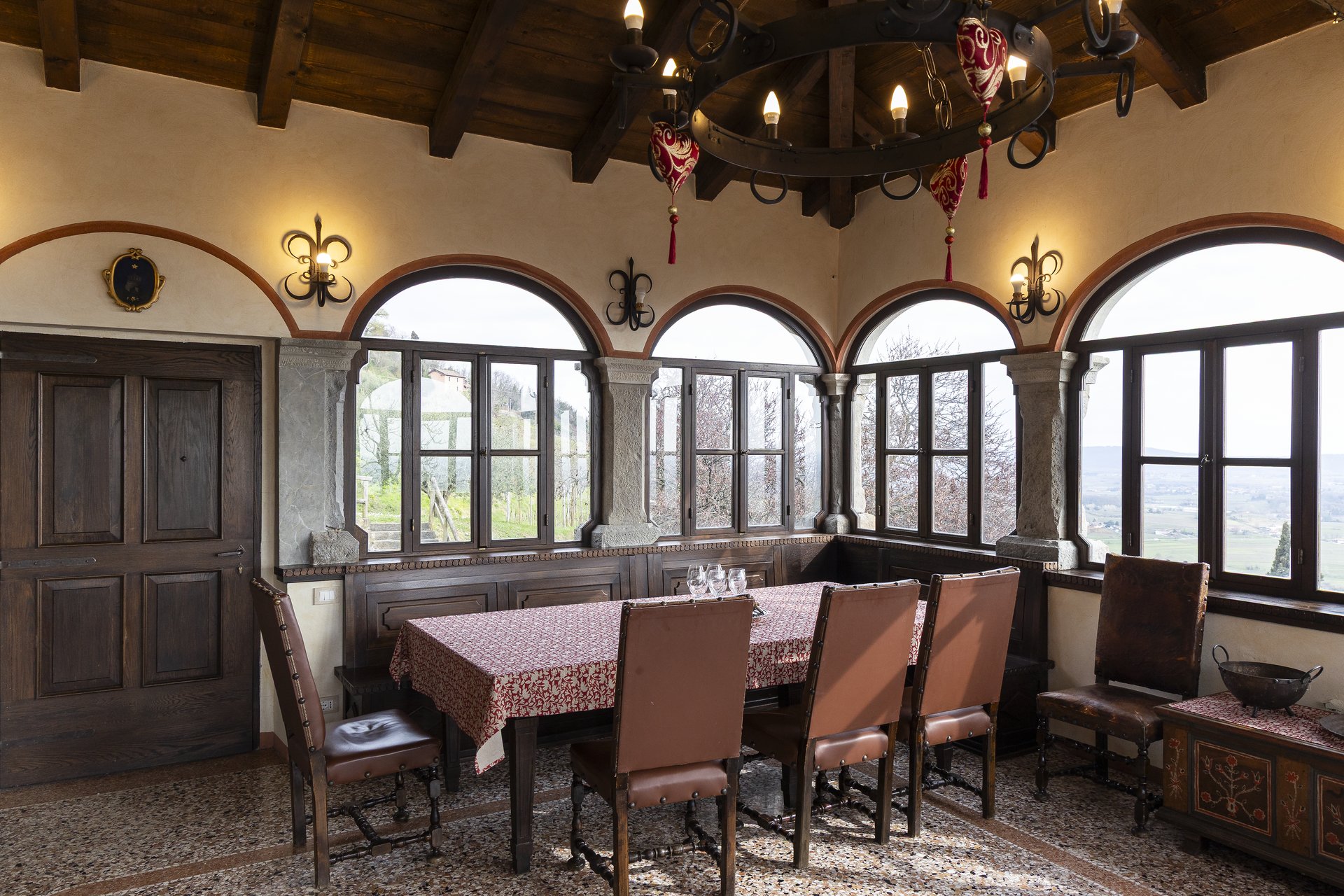
The Old Cellar
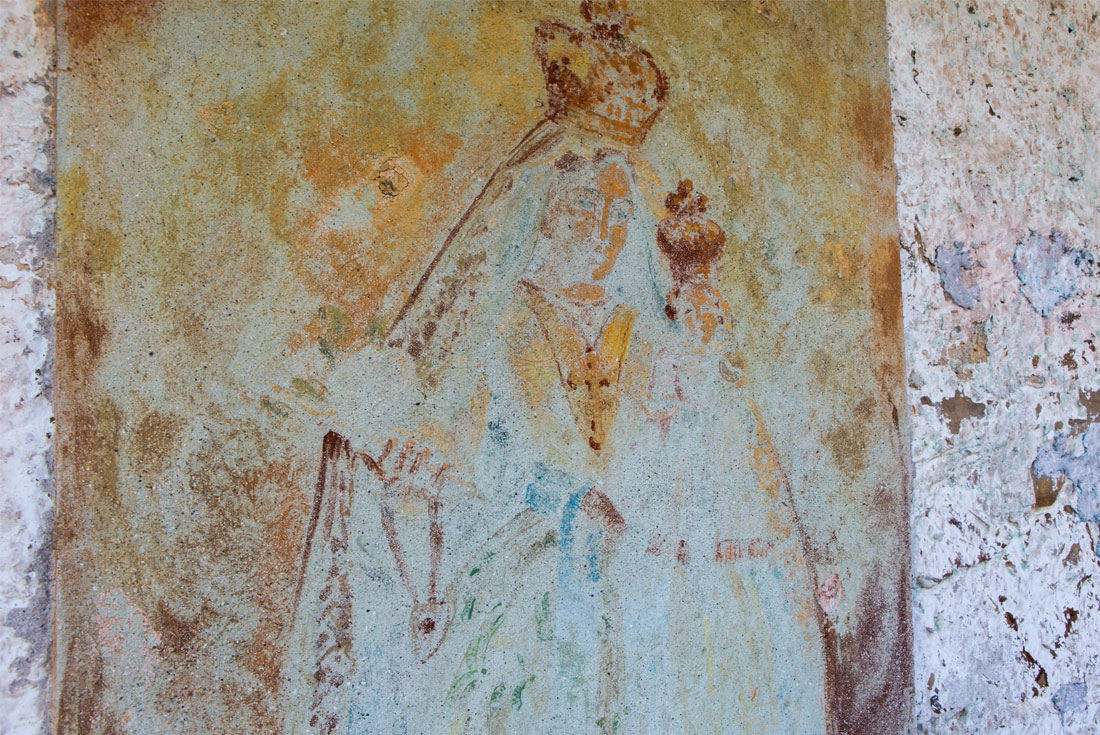
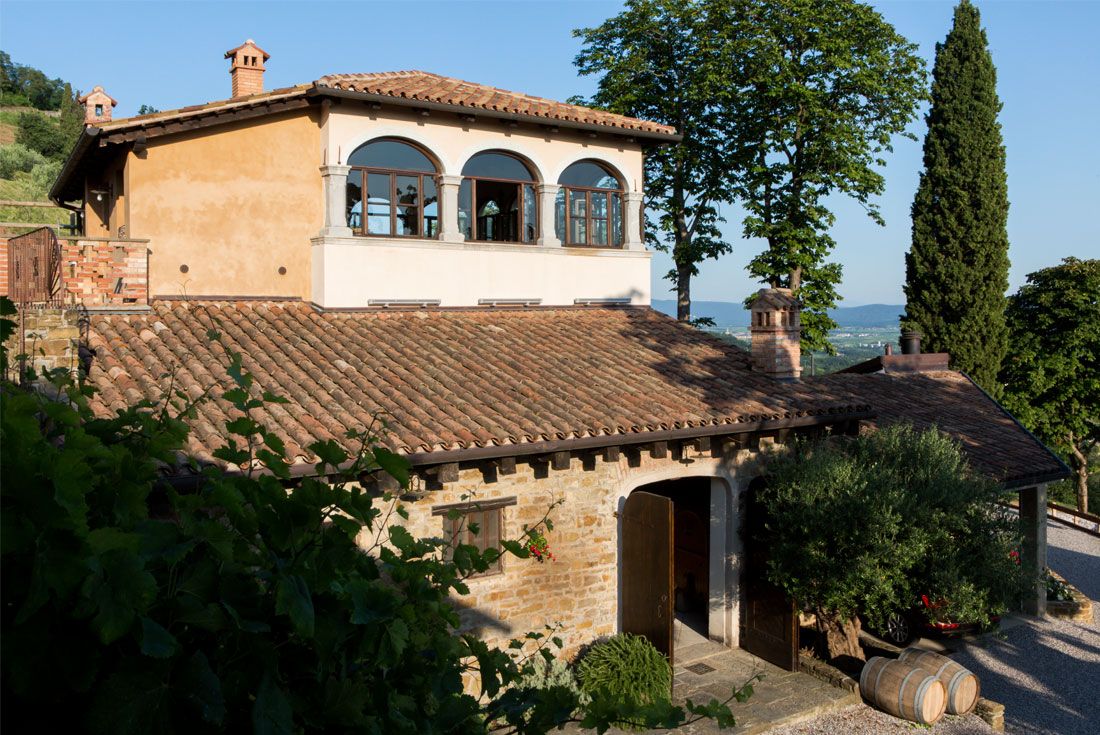
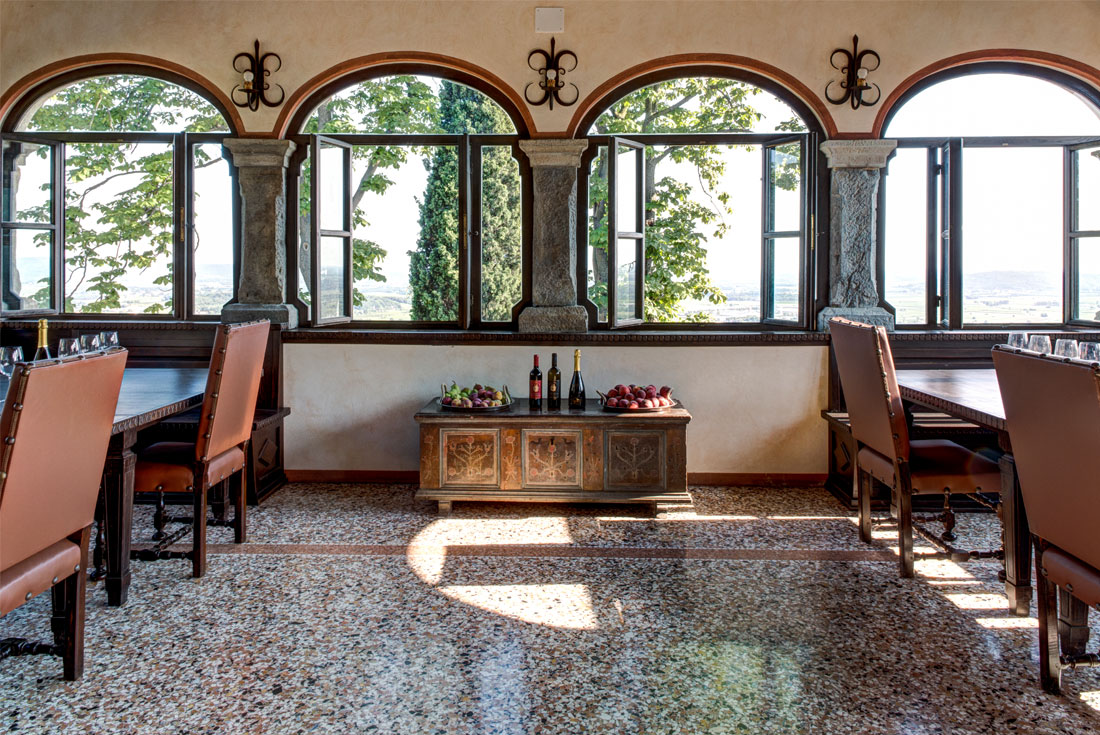
The old cellar, built of exposed stone, is the cradle of our wines.
We select the grapes berry by berry, through late manual harvesting, from vineyards the oldest of which dates back to 1938 — one of the oldest plantings in all of Friuli.
The centuries-old walls, thick and partly underground, naturally maintain a constant temperature throughout the year: an environment that today would be called “controlled,” but which here is simply the result of the building wisdom of those who, centuries ago, chose the stone of Monte Quarin to protect the fruit of the harvest. It is in this cool, damp silence, beneath vaulted stone ceilings, that the wines find the time and space to age, away from temperature swings and direct light.
The Historic Vineyard
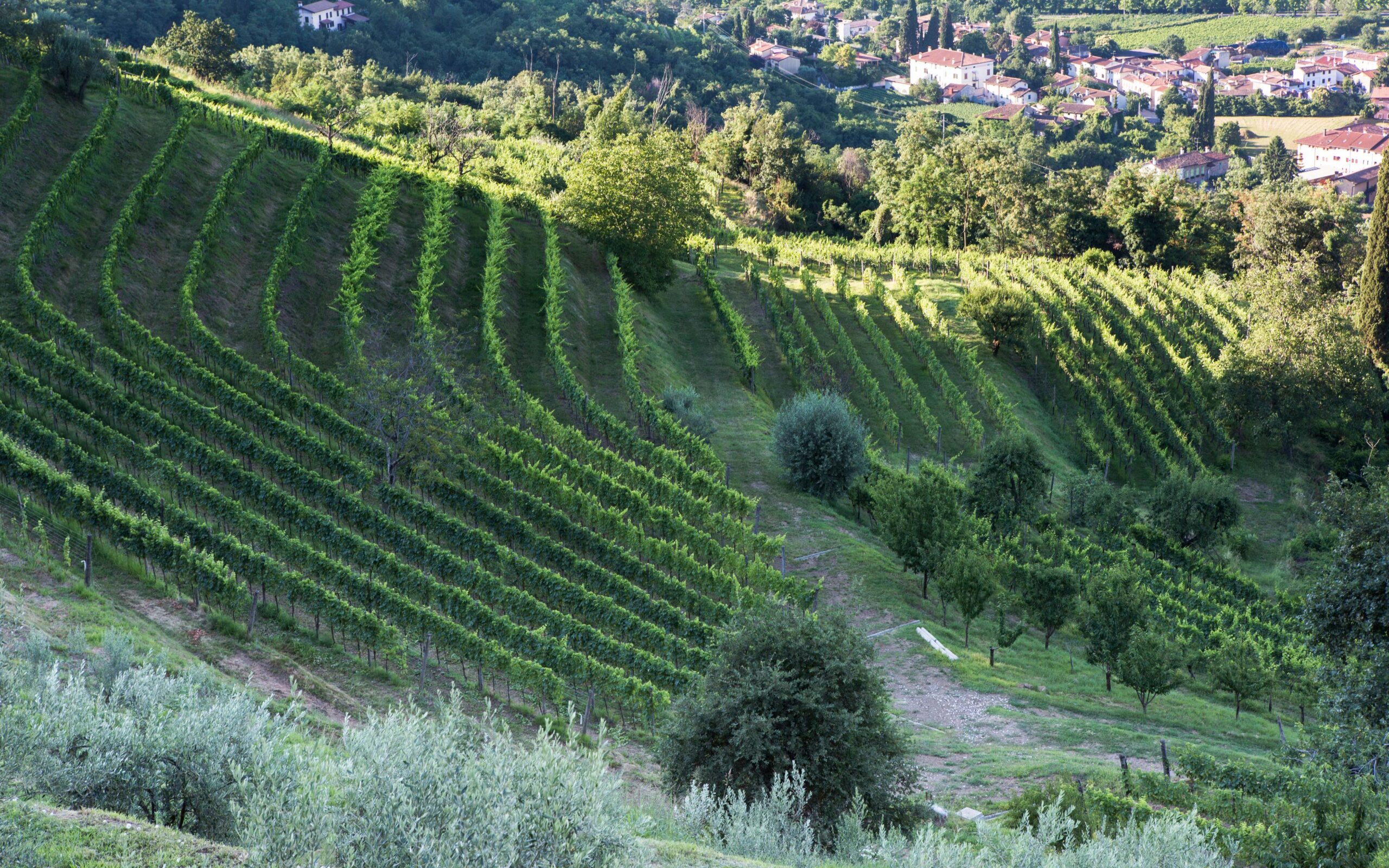
Vines rooted in the ponca of the Collio, holding the memory of nearly a hundred years of harvests. From these old vines come small, concentrated clusters, witnesses to a craft handed down from generation to generation.
The roots dig deep into that sandy marl we call ponca here, a crumbly, mineral-rich soil that time and rain have carved into gentle slopes. It is in this ancient land, south-facing and sheltered from the cold northern winds, that the vines have learned to struggle just enough to give their best: naturally low yields, roots that dig in search of nourishment, small concentrated berries that hold all the intensity of the Collio.
Every winter, pruning still follows the gestures of those who came before us: a patient, manual care that respects the slow rhythm of the plant more than the demands of production. This is a vineyard that has never been meant to be replaced, but preserved, because in those nearly century-old rows lies a biodiversity and aromatic complexity that no new planting could ever recreate in the same way. Harvesting here, still today, means gathering the fruit of a vineyard that has passed through three owners and nearly a century of history.
Work in the Vineyard
The property is cultivated mainly with vines, but, following the old planting traditions of this land, it is also home to olive, cherry, plum, apple, pear, persimmon, fig, mirabelle, and walnut trees.
Their fragrances drift through the air, later surfacing in the sensory notes of our wines.
It is a way of farming that today would be called polyculture, but here it has simply always been this way: the vine does not grow in isolation, but alongside the fruit trees that have always dotted the pastini of the Collio, following an agricultural design conceived for the family long before it served the market. Every plant had, and still has, its place and its season: the cherry trees that open the spring, the figs and plums that ripen under the August sun, the persimmons and apples that accompany the autumn, right through to the walnuts gathered once the grape harvest is already over.
This coexistence is not merely a landscape legacy, but a balance you can taste in the glass. The pollen of the olive trees, the shade of the walnuts, the moisture held by the orchards: these are all elements that come together in a unique microclimate, capable of giving the wines nuances that no single-crop vineyard could ever produce. Working the vineyard, at the Estate, still means today caring for this entire ecosystem, not just a single crop.
Discover the wines
the story continues in the glass.